

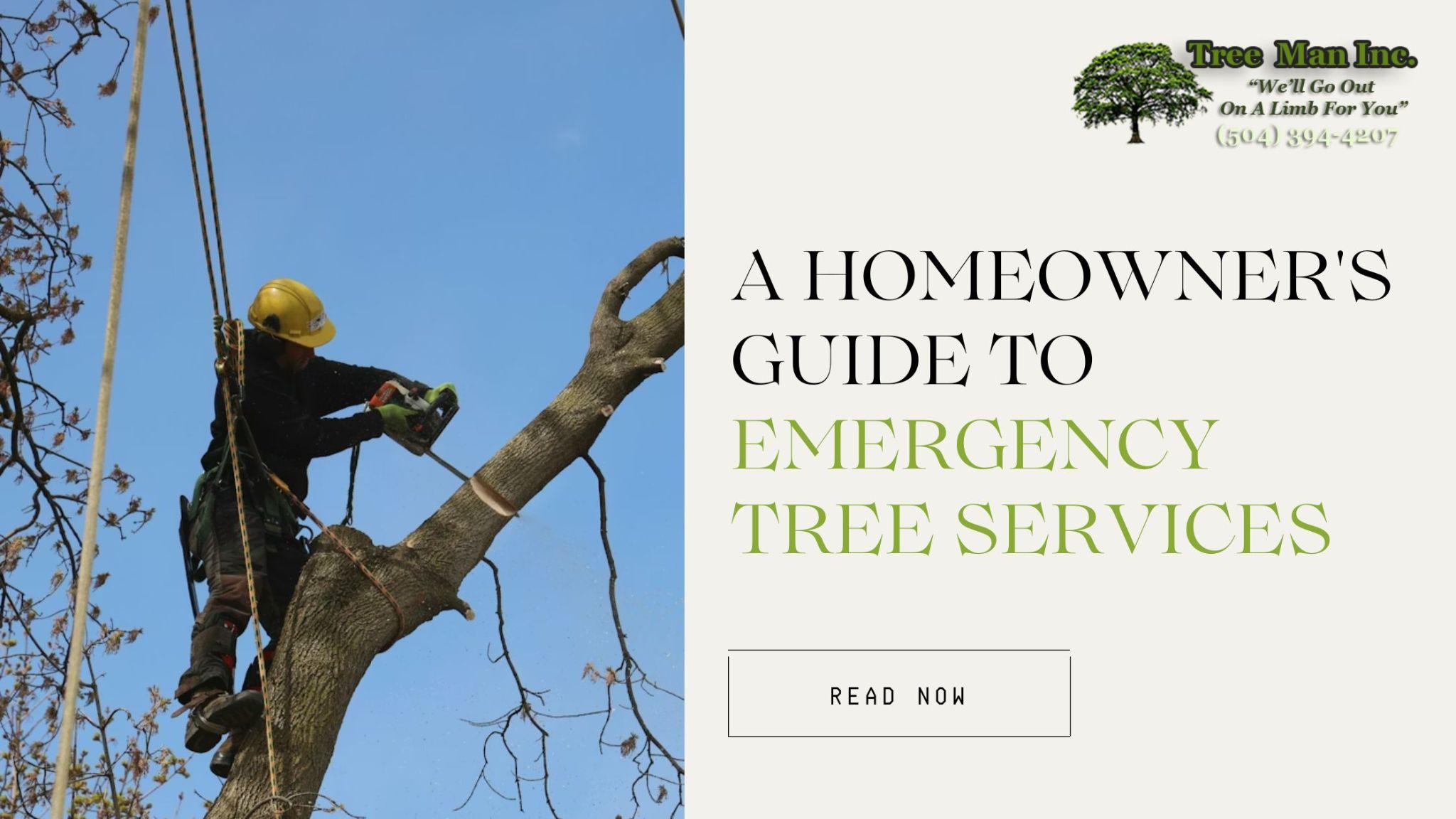
A Homeowner’s Guide to Emergency Tree Services
April 27, 2026 11:12 am- Emergency tree issues can strike without notice due to storms, disease, or structural hazards, and every homeowner should know how to prepare and respond safely.
- Knowing when to call an emergency tree service, what professionals do on site, and how preventative care can reduce future emergencies can save time, money, and stress.
- Tree Man Inc. is a trusted local tree care business offering emergency tree services and comprehensive arborist support to keep your property safe and healthy.
Most homeowners do not pay attention to their trees until there is a problem. Heavy rain, strong wind, or hidden decay can weaken a tree faster than expected. When large limbs crack, roots lift, or a tree starts to lean, the risk becomes serious.
Tree emergencies are not the same as routine trimming or maintenance. A damaged tree may fall without warning and can hit a house, crush a vehicle, block driveways, or pull down power lines. Waiting too long or trying to fix it without proper equipment often makes the damage worse.
Common warning signs include split trunks, broken limbs hanging in the canopy, exposed or lifting roots, and sudden leaning. A tree that has fallen or is partially uprooted after a storm is always considered an emergency.
Immediate Actions Homeowners Should Take
When you identify a potential tree emergency, your first step is to ensure personal safety. Keep people and pets away from the area of concern, and do not attempt to climb or cut the tree yourself. DIY removal without training and proper equipment can result in injury or more serious property damage.
If a tree has fallen, blocking your driveway or resting on a structure, do not try to move it yourself. Fallen trees can be deceptively heavy and can shift unexpectedly during cutting attempts. It is important to call a licensed tree service that provides emergency response.
Documenting the situation with photos before professionals arrive may also be helpful for insurance claims. In many emergency cases, reputable companies will work with your insurance provider to support your claim and make the process smoother.
How Emergency Tree Services Work
When you contact an emergency tree service, a trained crew will typically perform a swift assessment of the situation. The priorities are safety and stopping further damage. The arborist or crew leader will evaluate the tree’s condition, determine whether power lines or structures are at risk, and formulate a plan that minimizes danger.
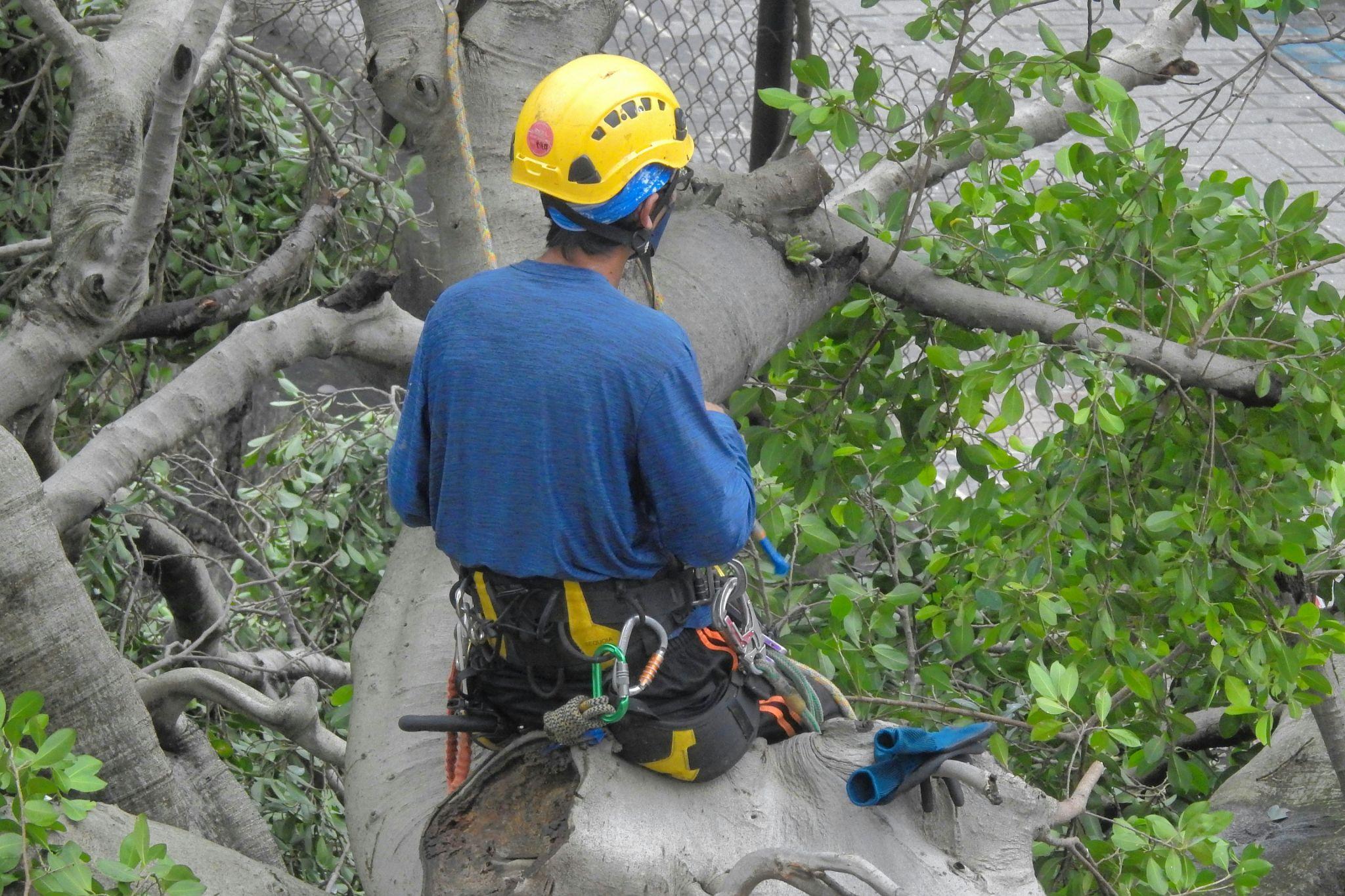
Emergency tree work often involves removing hazardous limbs or taking down an entire tree if necessary. The professionals use specialized equipment such as chainsaws, rigging gear, and sometimes cranes to manage the operation safely. They also wear protective gear and use techniques that protect the surrounding landscape during removal.
Once hazardous sections are removed, debris is typically cleared from your property. Many services include cleanup in their emergency package to return your yard to a safe, tidy state. They may also offer temporary support measures for partially damaged trees that can be saved with cabling or bracing.
Costs and Insurance Considerations
Emergency tree services often cost more than scheduled maintenance work because crews must respond quickly and sometimes work outside standard hours. Costs depend on the severity of the situation, the size of the tree, accessibility, and whether large equipment is needed.
Homeowners should check their homeowner’s insurance policy to understand what emergency tree work is covered. Many policies include the removal of fallen trees that damage structures, but vary in terms of coverage for debris removal and preventative pruning. Prompt documentation and a professional assessment report can be critical when filing claims.
Ask your emergency tree service provider if they assist with insurance paperwork. Experienced companies often help you understand what parts of the bill may be reimbursable under your policy.
Preventative Tree Care to Reduce Emergencies
While emergencies can be unpredictable, proper routine care of your trees makes them less likely to become dangerous. Regular trimming removes weak and overextended limbs, improving overall tree structure. Yearly health assessments can identify signs of decay, root disease, or pest infestation before they become hazards.
Soil health plays a significant role in root strength and tree stability. Aeration, proper mulching, watering during dry periods, and avoiding soil compaction around root zones all contribute to tree resilience.
Installing support systems such as cables or braces in structurally weak trees can help reduce the likelihood of branch failure. A certified arborist can recommend these preventative measures as part of a comprehensive care plan.
Property owners should also consider risks posed by nearby utility lines or structures when planning tree planting or maintenance. Early identification of problematic tree growth near these elements allows for cost-effective preemptive actions.
Choosing the Right Emergency Tree Service Provider
Not all tree service providers are equipped to handle emergencies effectively. When choosing a provider, make sure they are licensed, insured, and experienced in emergency response. You can ask for references or check reviews from other homeowners to gauge reliability and professionalism.
A reputable emergency tree service will prioritize safety, provide clear cost estimates, and explain the work that will be done. They should communicate with you about timing, necessary steps, and what to expect after the emergency work is completed.
For ongoing care, consider a company that offers routine tree maintenance along with emergency services. In addition to qualifications and experience, local services often understand regional weather patterns and tree species better.
Emergency Response Timelines: What Homeowners Should Expect
Emergency tree response is driven by risk, not arrival order. Calls are prioritized based on immediate danger to people, structures, roads, and utility lines. A tree resting on a house, blocking access, or threatening power lines is treated as a high-priority situation.
Initial response often starts with a phone assessment. Homeowners are asked about tree size, location, damage, and nearby hazards. Photos help crews determine equipment needs before arriving.
On-site arrival times vary based on weather conditions and call volume. After major storms, response may take longer due to widespread damage. Reputable tree services communicate realistic timelines and do not rush unsafe work.
Once on site, crews focus first on stabilization. This may involve removing hanging limbs, relieving pressure on structures, or securing sections that could fail. Full removal is not always immediate if conditions are unsafe or access is limited. Some emergency jobs require multiple stages. Temporary hazard reduction may be completed first, followed by full removal or cleanup when conditions allow.
Common Myths and Misconceptions
Several myths around emergency tree work can mislead homeowners. The most common one is that all leaning trees must be removed immediately. While significant lean can indicate danger, a professional assessment is necessary before deciding on removal.
Another misconception is that pruning weak branches will always prevent failure. While trimming can improve structure, it must be done correctly. Improper cuts can damage a tree’s health and inadvertently create new weaknesses.
DIY tree removal is also often pictured as a cost-saving measure, but without proper training and equipment, it increases the risk of injury and property damage. Professional emergency services may seem expensive, but the safety and expertise they bring are crucial.
Post-Emergency Follow-Up
After an emergency tree is removed, it is important to evaluate the rest of your landscape. Adjacent trees may have also been stressed by the same conditions. Consider scheduling a full tree health assessment to identify any other risks.
Proper wound care on remaining trees may be needed, especially if emergency cuts were made. A professional arborist can recommend treatments that support recovery and reduce pest or disease invasion.
Stump removal or grinding may also be necessary if you want to reclaim the space for planting or landscaping. Debris and root systems left behind can attract insects or cause future issues with lawn care equipment.
Building a Long-Term Tree Care Plan
A long-term tree care plan starts with understanding what is on your property. This includes identifying tree species, age, and overall condition, then scheduling routine inspections. Regular trimming, soil health checks, and risk assessments help reduce stress on trees and limit the chance of sudden failure.
Keeping records of all tree work is equally important. Service history makes it easier to track changes in tree health and spot developing problems early. These records can also be useful when working with insurance providers after storm damage or emergency removals.
Working with certified arborists allows the plan to be tailored to your landscape and local climate. Using the same professionals over time improves consistency and helps them notice gradual changes that might otherwise be missed. Early intervention often prevents emergencies.
At Tree Man Inc., we offer both emergency response and long-term tree management services. We are a trusted provider of professional tree services in New Orleans, LA, and the surrounding areas. Our team helps homeowners protect their property before problems escalate. Contact us to schedule an inspection and build a tree care plan that keeps your landscape safe year-round.
Categorised in: Tree Cutting Service, Tree Service
This post was written by admin
Comments are closed here.